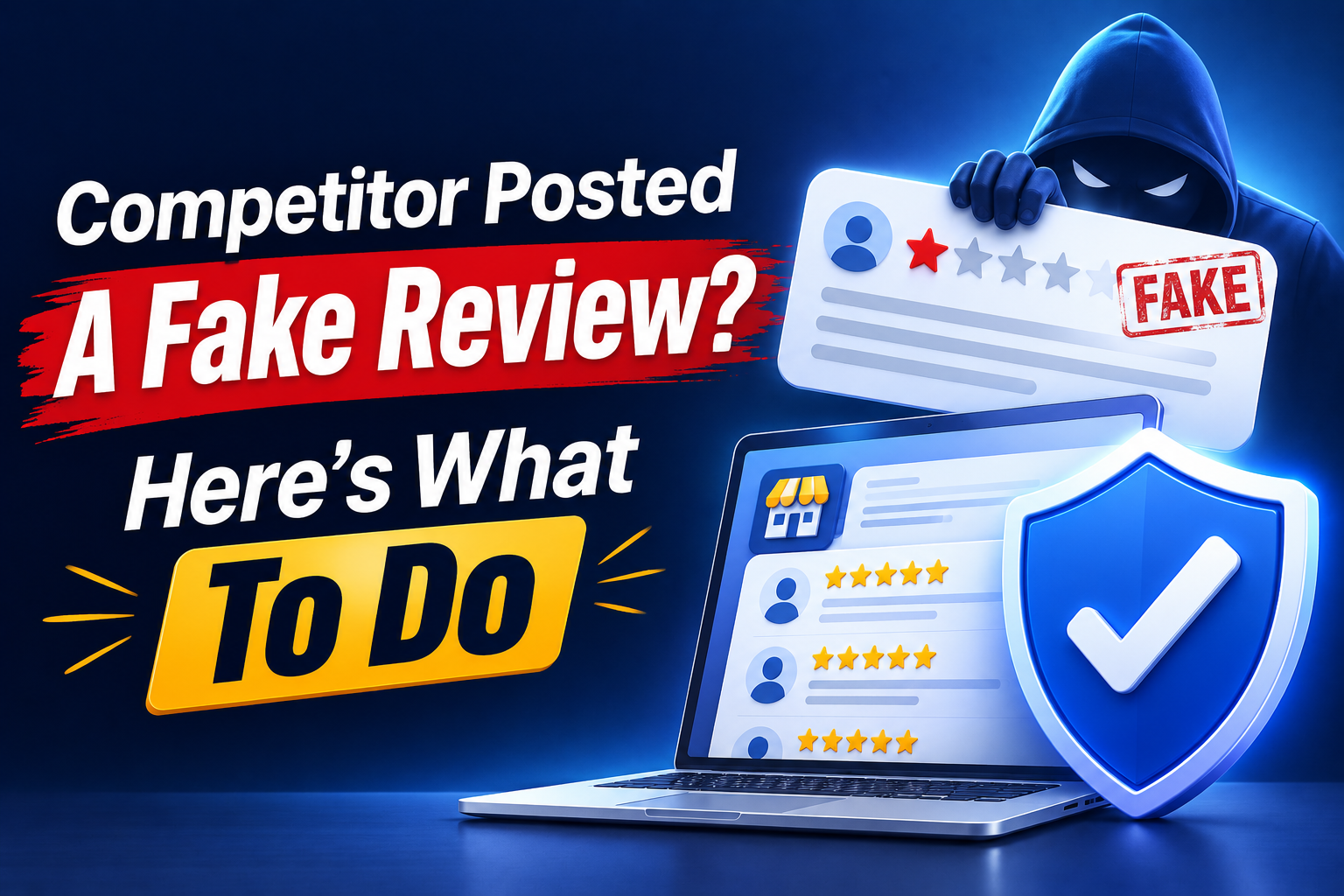
Discovering a competitor has posted a fabricated review can feel like a direct hit to your credibility. False feedback doesn’t just mislead potential customers-it distorts the marketplace and undermines trust you’ve worked hard to build. This guide outlines how to verify authenticity, document evidence, and respond strategically through platform reporting, professional replies, and reputation-strengthening tactics that help protect your business long-term.
Verify the Fake Review
Verification begins with a structured 4-step process using timestamp analysis, IP address tracking, and review clustering detection. This approach helps businesses identify suspicious patterns that indicate review manipulation. Each step provides concrete data points for further investigation.
Timestamp analysis compares review posting times against actual purchase records. Amazon provides detailed timestamp verification tools that show when a verified purchase occurred. Reviews posted long before or after a purchase date often signal manipulation attempts.
Review velocity checks identify accounts posting multiple reviews in short timeframes. Tools like ReviewMeta flag accounts creating five or more reviews within 48 hours. Such rapid posting patterns rarely match typical customer behavior and warrant closer examination.
IP address tracking reveals when a single location generates multiple reviews across different accounts. Trustpilot logs help identify this pattern. Review clustering analysis detects similar text across several submissions within the same week using platforms like Brandwatch. One business discovered twelve fake reviews originating from three IP addresses during January 2024 through these combined methods.
Document Evidence
Capture screenshots of the full review page including review ID, reviewer profile URL, posting date, and star rating using browser developer tools. These images form the foundation of any formal complaint or reporting process. Save files immediately before any platform removes or modifies the content.
Collect five key documentation items for each suspicious review. Include the full review URL with its unique review ID from Google Reviews or Yelp. Take a screenshot of the reviewer profile showing account creation date and total review count. Extract timestamp data directly from page source code for accuracy.
Match customer purchase records against the review posting date to verify authenticity. Note the competitor name and any recurring language patterns across multiple reviews. Use this file naming format for organization: BusinessName_ReviewID_Date_Screenshot.png. Consistent documentation supports platform appeals and potential legal proceedings.
Check Review Authenticity
Use ReviewMeta and Fakespot to generate authenticity scores for Amazon and Yelp reviews within 2 minutes per review. These tools analyze review text, reviewer history, and posting patterns automatically. Low scores trigger additional investigation steps.
Run review text through the Fakespot analyzer. Scores below 60 typically indicate high fraud probability. Check reviewer account age using Trustpilot profile data. Accounts created within 30 days that already contain five or more reviews represent a clear red flag.
Analyze sentiment patterns with Brandwatch to identify unnatural language consistency across multiple reviews. One review with a 5-star rating used identical phrases found in seven other competitor reviews. This review received a 23 percent authenticity score and was subsequently flagged for removal.
Respond Publicly
First sentence: Public responses should be posted within 24-48 hours using a 4-part template that addresses the specific complaint while protecting against defamation claims.
Public responses require careful wording to address the issue without escalating disputes. A template helps maintain consistency across platforms like Google Reviews and Yelp.
Thank the reviewer by name and acknowledge the specific issue mentioned in their post. This shows engagement without appearing defensive.
Clarify facts using purchase record data without revealing private information about the customer. Stick to verifiable details from your system.
Offer a concrete resolution such as a refund, replacement, or service credit with a specific timeline for completion. This demonstrates accountability.
Invite offline contact via email with a reference number for further discussion. This moves sensitive details away from public view.
An example response for a negative review on Google Reviews might read: “Thank you Sarah for your feedback on our January 15 service. Our records show your appointment was scheduled for 2pm, not 3pm as mentioned. We apologize for the scheduling confusion and have credited $25 to your account.”
Craft Professional Reply
First sentence: Professional replies average 45-65 words and include specific resolution offers rather than generic apologies.
Professional replies need structure to address different types of complaints effectively. Each framework focuses on facts and solutions rather than arguments.
For factual disputes, include specific dates, order numbers, and documented evidence without personal attacks. This approach supports your position while remaining respectful.
For service complaints, reference staff training records and offer a manager callback within 24 hours. This shows commitment to improvement.
For competitor fake reviews, state facts clearly and report to the platform rather than engaging the reviewer directly. This protects your business reputation while following review platform guidelines.
Review authenticity matters when handling review manipulation or false testimony. Document everything including screenshots and review URLs before filing a complaint filing with the platform.
Three reply frameworks help address common scenarios. Use them consistently when responding to negative review situations on TripAdvisor, Amazon reviews, or Facebook reviews.
Experts recommend keeping responses factual and solution-focused. This approach supports online reputation management efforts and helps maintain customer trust across review platforms.
Report to Platform
Platform reports require specific violation categories and supporting documentation submitted through official reporting channels. Each site maintains distinct procedures to handle review fraud and maintain review authenticity across their systems.
Google Reviews operates through the Google Business Profile dashboard. Select the option to report a review, then choose the fake or spam category. Attach supporting evidence files under 500KB to strengthen your submission about review manipulation.
Yelp requests that businesses email bizsupport@yelp.com with the review URL and documented evidence. Response times typically range from five to seven business days for review removal requests involving competitor tactics.
Trustpilot provides a Business dashboard under the review management section. Select the report as fake option when you identify patterns of review clustering or IP address tracking that suggest coordinated review fraud.
Amazon directs sellers to the Seller Central portal where the report abuse button appears next to suspicious entries. Include order number verification when submitting complaints about fake reviews that damage business reputation.
Research suggests that Google removes a significant portion of reported fake reviews when businesses provide IP clustering evidence. Submit complete documentation with each platform request to improve review removal outcomes across different review platforms.
Notify Review Site
Direct notification to review sites uses formal channels with case numbers and documented evidence packages. Review platforms maintain specific procedures for addressing fake review reports and require structured submission processes. This approach ensures your complaint receives proper attention from moderation teams.
Submit a formal complaint to the Better Business Bureau with a documented evidence folder. Include all screenshots and customer records that demonstrate the review manipulation pattern. The BBB forwards these materials to the business in question and creates an official record of the dispute.
Contact the review site legal department via certified mail when dealing with proven defamation cases. Use cease and desist language that references specific terms of service violations and false testimony claims. This method creates a legal paper trail for potential future action.
Use platform-specific appeal forms on Facebook Reviews and TripAdvisor with reference to terms of service violations. These forms require you to identify the review URL and explain how the content breaches platform guidelines. Reference the template email subject line Formal Request for Review Removal – Case #[BusinessID] – Evidence Attached when submitting your materials through any channel.
Gather Supporting Proof
Supporting proof includes transaction records, communication logs, and third-party verification from 3-5 independent sources. Review verification becomes essential when competitors post fake reviews to damage your business reputation. Strong documentation helps platforms evaluate claims of review manipulation and review fraud.
Start organizing your materials in a clear folder structure. Create a folder named Evidence_[Date]_[ReviewerName]_[BusinessName] for each case. This approach keeps all files accessible during review reporting and review dispute resolution.
Collect these six types of supporting documentation to build your case.
- Payment processor records showing no transaction from the reviewer during the review period.
- CRM system logs showing no customer interaction matching the reviewer details.
- Competitor review comparison showing high text similarity across multiple business listings.
- Social media profile analysis showing the reviewer promoting a competitor business.
- Email records from support@business.com showing no customer inquiry from the reviewer email.
- Third-party verification from ReviewMeta or Fakespot authenticity reports.
Each piece of evidence strengthens your position when filing complaints about review authenticity. Review platform teams often request multiple sources before removing false testimony. Keep copies of all files in your organized folder system.
Consider Legal Options
First sentence: Legal action requires documented evidence of financial harm and clear violation of platform terms plus FTC guidelines on false advertising. This approach works when a competitor posts a fake review designed to damage your business reputation. Courts and agencies need proof before they act on your behalf.
Four main legal pathways exist for addressing review manipulation. Each option carries different costs and timelines. The right choice depends on your documented losses and the scale of the review fraud.
A cease and desist letter through an attorney costs between 350 and 750 dollars. This letter demands the competitor stop posting false content within 14 days. Many cases resolve at this stage without further proceedings.
Small claims court offers another route for documented revenue loss under 10,000 dollars. Filing fees range from 50 to 100 dollars. You present your review URL and financial records as evidence of harm caused by the false content.
One business recovered 4,200 dollars in lost revenue through a small claims judgment against a competitor who posted multiple fake reviews. The court accepted screenshots, revenue reports, and the specific review URLs as proof of damage. This outcome shows how documented evidence can lead to financial recovery.
Reporting platform terms violation to the FTC represents a third pathway. You submit evidence of systematic review manipulation that affects search rankings. This route works best when the competitor targets multiple businesses through the same network of false content.
A fourth option involves coordinating with consumer protection attorneys for class action cases. This pathway applies when 50 or more businesses face harm from the same fake review network. Shared legal costs make this approach feasible for widespread reputation damage.
Strengthen Your Reputation
Reputation strengthening requires consistent review generation from verified customers using specific solicitation timing and trust signals. This approach helps counter the effects of competitor review manipulation and maintains your business reputation over time. Building authentic customer feedback creates a buffer against false testimony and review fraud attempts.
Send review request emails 24 to 48 hours after service completion. Include direct links to Google and Facebook review forms in these messages. This timing captures positive experiences while they remain fresh in customer memory.
Display Trustpilot and BBB verification badges on your website homepage. These trust signals help establish review authenticity and credibility with potential customers. Verification badges demonstrate commitment to review guidelines compliance and business transparency.
Respond to all reviews within 24 hours regardless of sentiment. This practice maintains a strong star rating across platforms and shows active customer service recovery. Quick responses demonstrate your commitment to addressing genuine concerns.
Create review response templates for common issues that arise. These templates reduce response time significantly while maintaining consistent messaging. Standard templates help address negative review situations effectively without delays.
Implement review schema markup on your website. This technical step helps search engines display rich snippets in results pages. Proper markup improves how your customer feedback appears in search results.
A local restaurant faced declining ratings after suspected competitor interference. The business implemented systematic review solicitation through timed email requests and consistent response protocols. Within six months their Google rating improved from 3.2 to 4.7 stars through authentic customer engagement.
Monitor for Future Issues
Continuous monitoring uses automated alerts for review velocity spikes, sentiment changes, and competitor activity across 5 major platforms. Review monitoring helps businesses catch problems before they spread across multiple sites. This approach protects your online presence from ongoing threats.
Setting up alerts requires attention to several components that work together. Configure Mention or Brandwatch notifications for your business name on Google, Yelp, TripAdvisor, Facebook, and Trustpilot. These systems send updates within 15 minutes of new mentions appearing on each platform.
Review velocity tracking adds another layer of protection. ReviewMeta weekly reports flag any week showing unusual increases compared to previous patterns. This method identifies when review manipulation may be occurring through sudden activity changes.
Monthly competitor analysis through ReviewTrackers reveals patterns that might target your business. Google Alerts set for your exact business name combined with scam or fraud keywords provide daily summaries. These tools help maintain awareness across the review ecosystem.

Leave a Reply